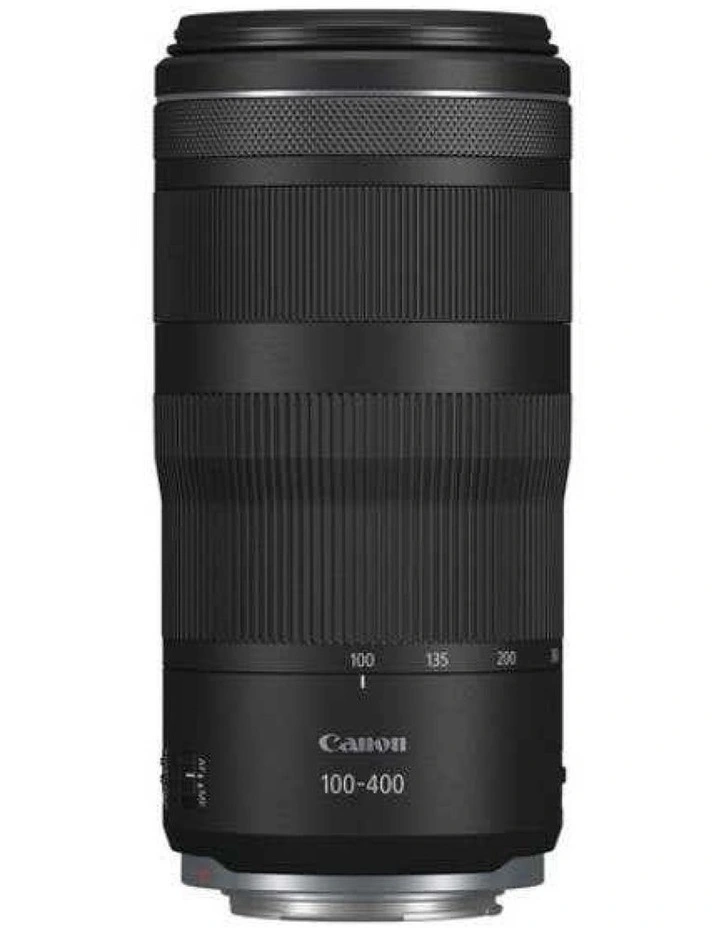
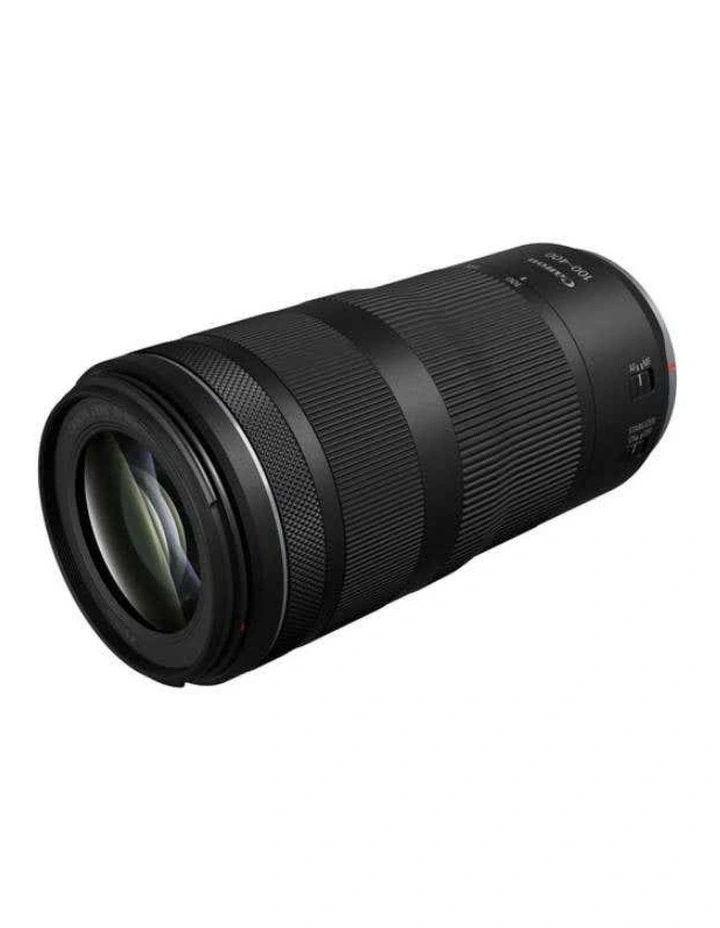
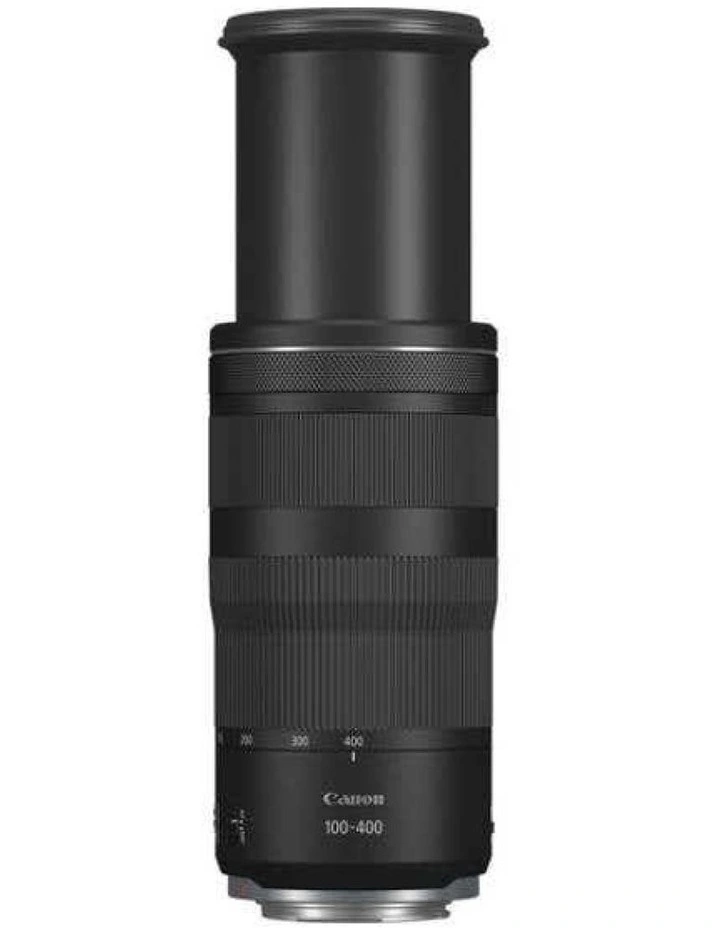
Versatile and great value telephoto
Rowan — 5 out of 5 stars
The big focal range of this telephoto makes it great for birds and wildlife, as well as really interesting perspectives when travelling – cityscapes, architecture etc. The autofocus works well and the stabilisation removes any camera shake and still allows for low shutter speeds at long focal lengths. All this at an accessible price point makes it a great value lens.
Lightweight Reach at the Expense of Image Quality
The Garden Magazine Guy — 3 out of 5 stars
The Canon RF 100-400mm is a lightweight lens that makes a compact telephoto setup on the Canon R10, with an equivalent field of view of 160–640mm on an APS-C camera. It can focus fairly close, making it especially useful for photographing flowers, insects, and wildlife. Image quality is decent for an inexpensive lens, though background rendering can look harsh at longer focal lengths. When photographing wildlife, for instance, the bokeh (background blur) may appear very ‘nervous’ against complex backgrounds such as foliage or other objects, ruining the look of the photos.
As a lightweight lens, it comes with several compromises. It's sharp at shorter focal lengths, such as 100mm, and stays that way to around 250mm, though stopping down from wide open is necessary to gain extra sharpness. It remains reasonably sharp from 300-350mm, but sharpness drops off considerably, and images look noticeably softer from 350-400mm. Its main drawbacks are the slow f/8 aperture at 400mm, which limits low-light performance—even in reasonable daylight or cloudy conditions. To maintain a reasonable shutter speed, you'll need to use higher ISO values, which can make photos noisy and unpleasant; denoising software is often needed to keep them usable unless you're shooting in bright sunlight. And that's not all: at 400mm and f/8, you need to stop down to f/9 to reduce visible softness and get the sharpest results. At f/11, the image starts to soften again. The lens can handle some useful close-focus work, but it's certainly not a macro lens, nor is its image quality in the same class.
Canon basically redesigned its inexpensive EF 70-300mm lens here, cutting the wider 70mm and extending the range to 400mm. The extra reach comes at a cost, though, it has a narrower aperture that collects less light, and cost-cutting plastic PMo aspherical elements compromise image quality. Contrast and detail are reasonable near 100mm, but microcontrast fades at longer focal lengths, making fine details muddy. At 350- 400 mm, don’t expect sharp bird eyes or feather detail. It’s a handy, lightweight wildlife lens if you want reach without heavier, pricier gear, especially on APS-C, but image quality is limited, and it’s no match for L-series glass. The value is borderline, it offers an affordable entry into wildlife photography, but competitors from other brands at the same price perform better.