


Canon EOS R5 Mark II: two years on, from Costa Ric
Andre_Scientist — 5 out of 5 stars
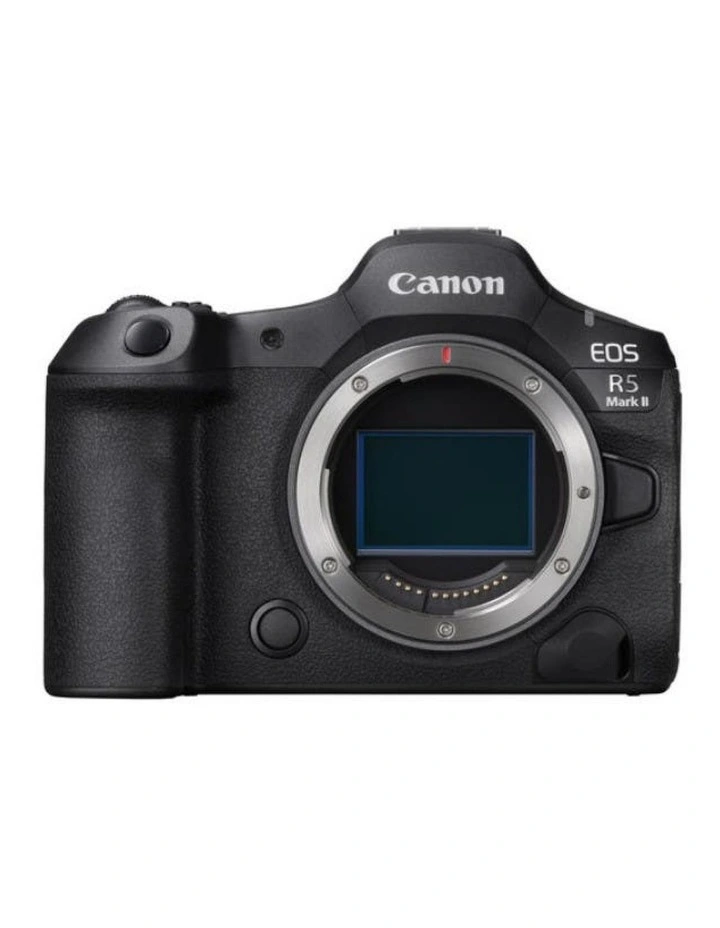
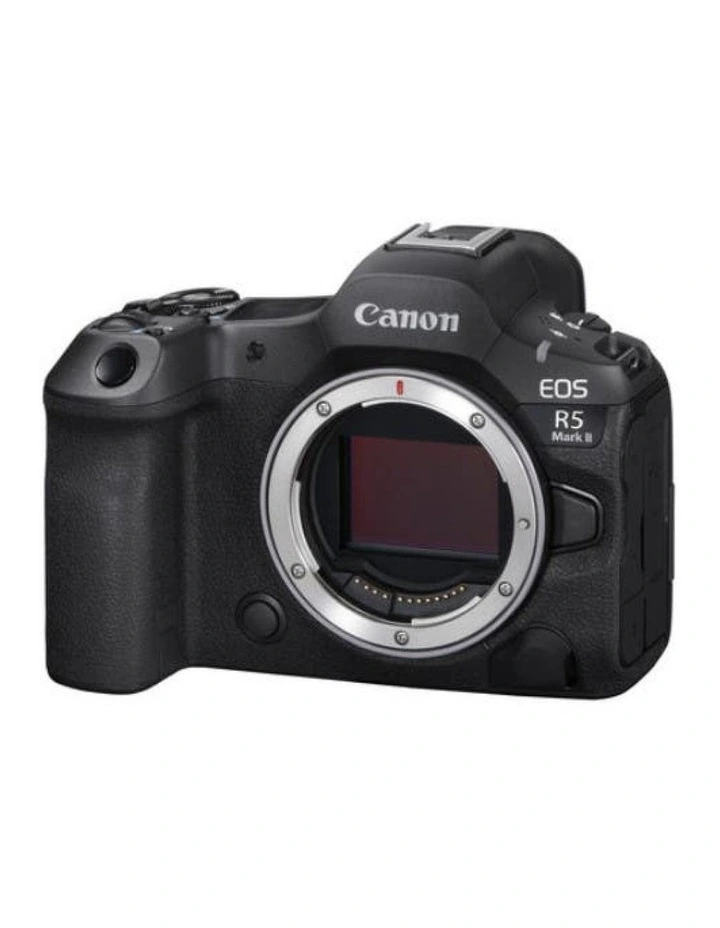
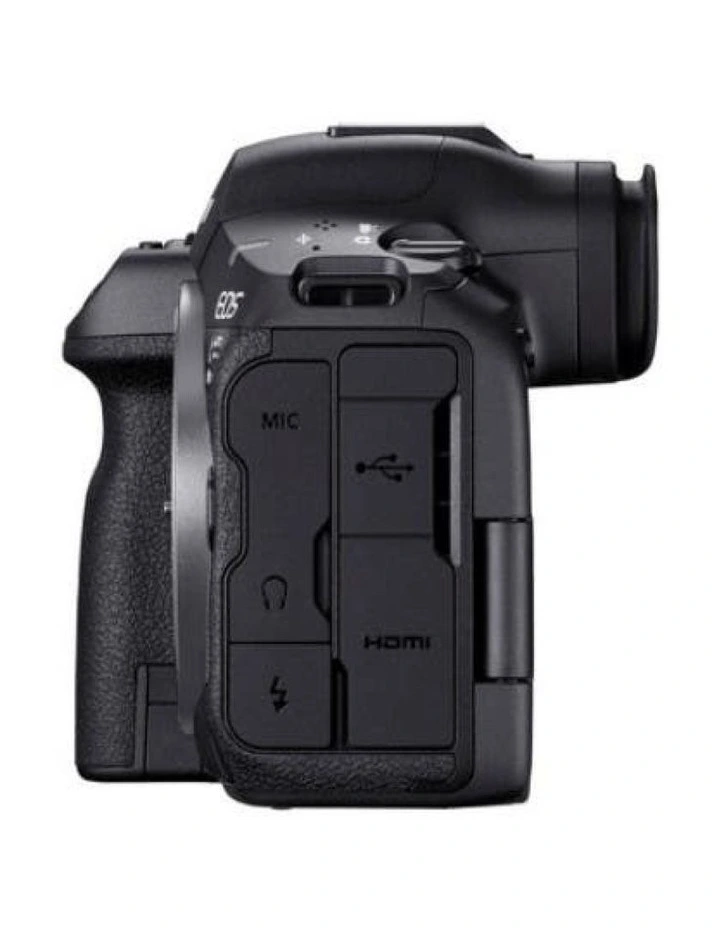
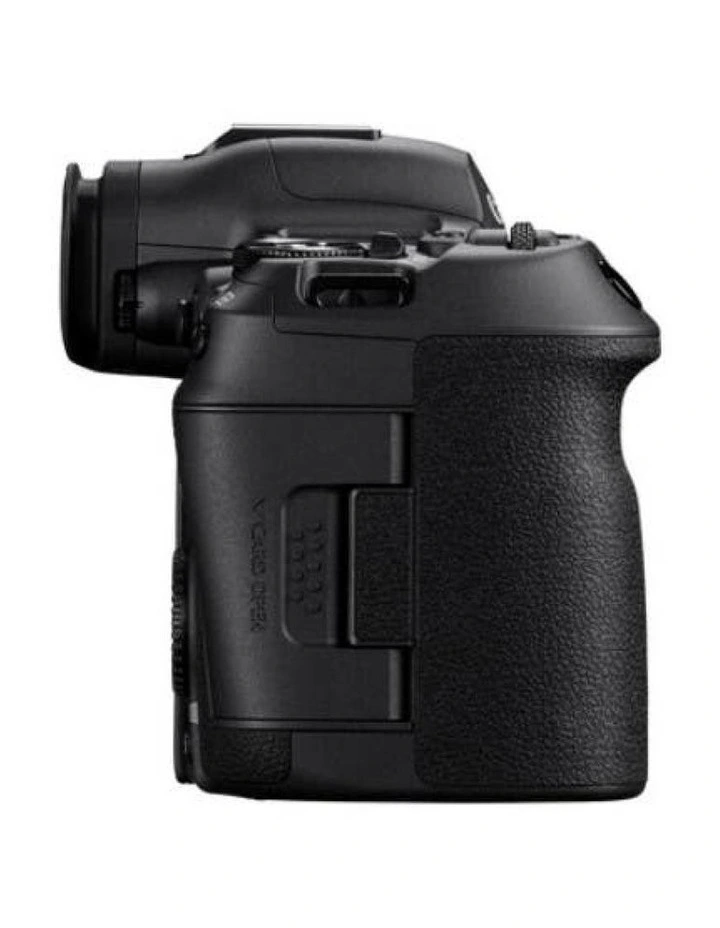
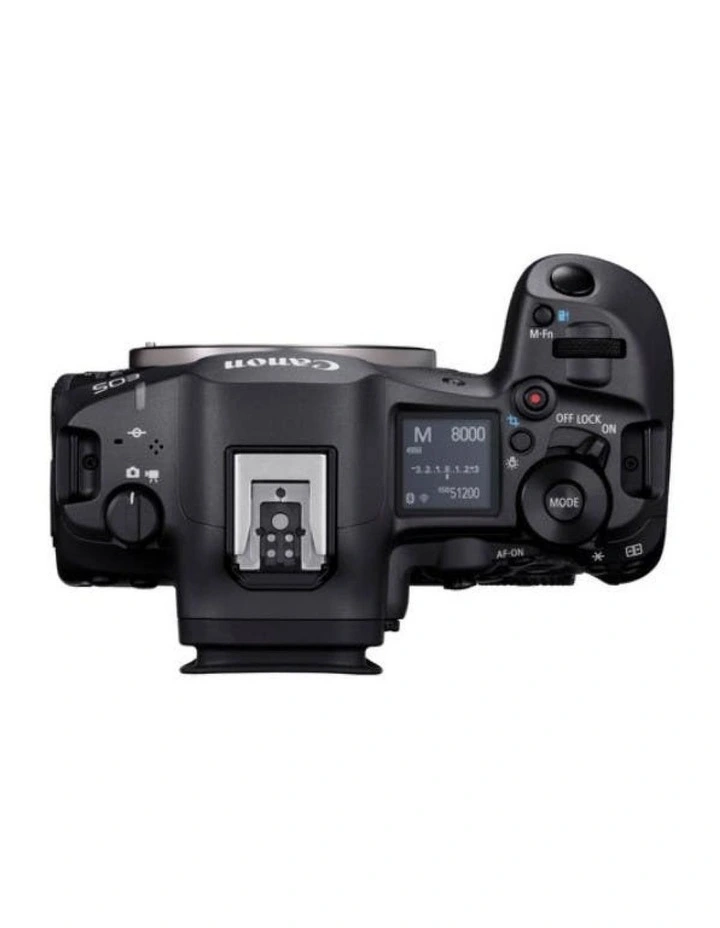
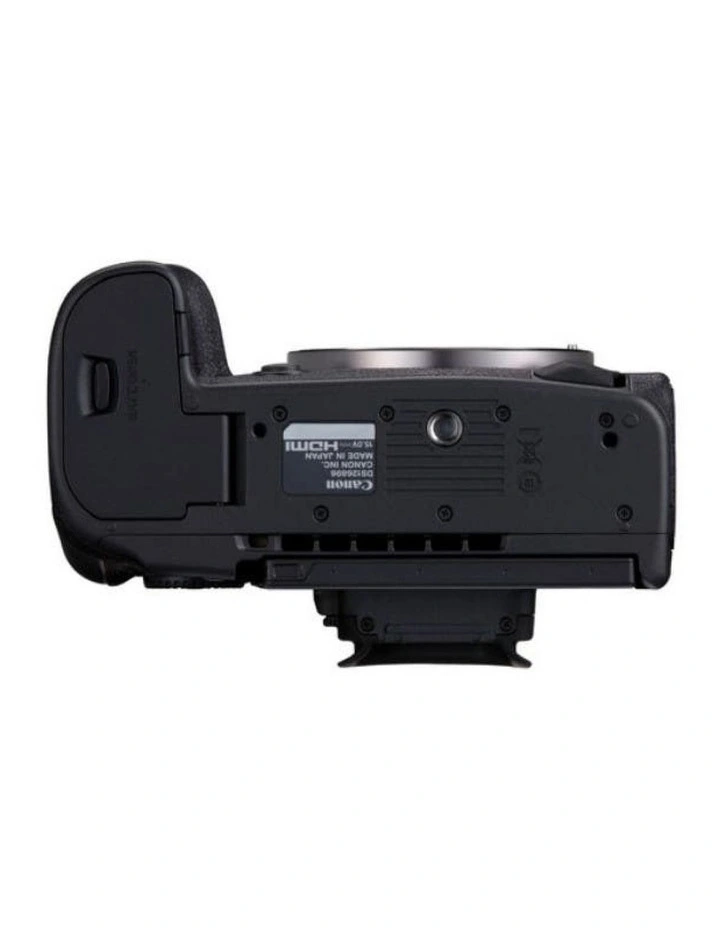
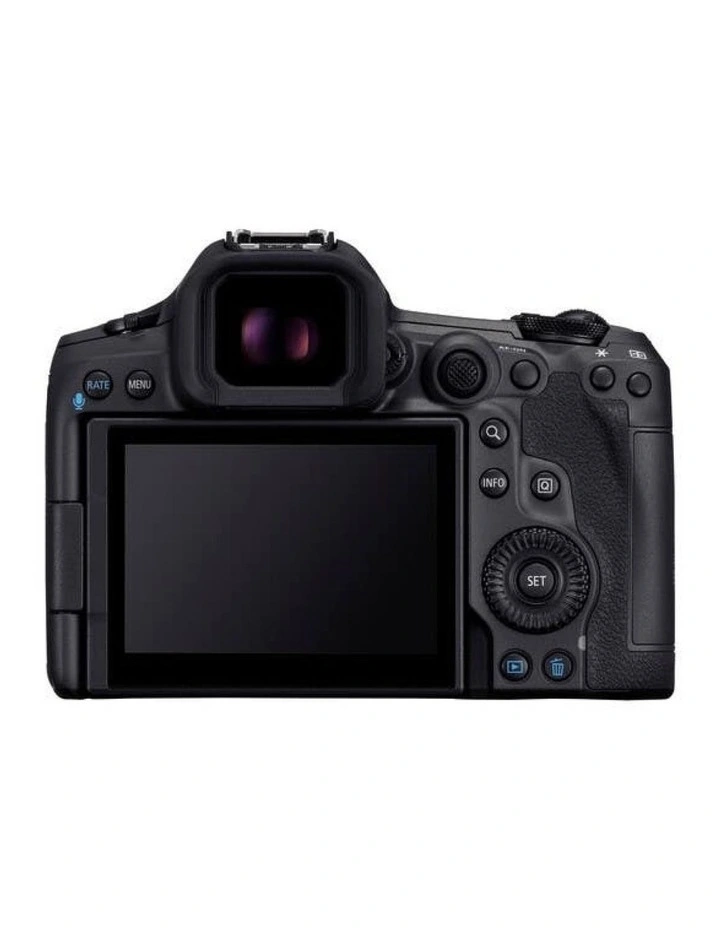
The R5 II is the first camera I’ve owned where I stopped thinking about the camera. That sounds like faint praise, but after two years of humidity, altitude, cold and a lot of early starts, it’s the highest compliment I can give. Autofocus is the reason to buy it Subject detection is what separates this body from the original R5. In Costa Rica, tracking small, erratic birds through dense, dim rainforest is a nightmare for most systems. The R5 II locks onto an eye surprisingly often, even with branches and leaves in the way, and recovers quickly when it loses it. [Add a specific bird or frog encounter here.] Pre-capture was the feature I assumed I’d never use and now use constantly. For hummingbirds, takeoffs and anything with an unpredictable moment, it quietly saves frames you’d otherwise miss. In Ecuador, [fill in: the Andes, cloud forest, Galápagos wildlife?], the same system handled both slow, confident animals and fast, skittish ones. In Canada, tracking bears, elk or birds against snow and forest backgrounds worked well, and the camera rarely hunted when contrast was low. Eye Control AF is a bit of a gimmick for me. It needs calibration, and it’s inconsistent in bright light or with glasses, so I mostly leave it off. Image quality At 45 megapixels, there’s plenty of room to crop, which matters when your lens is never quite long enough. High ISO is good rather than miraculous. Rainforest shooting at ISO 3200 to 6400 is very usable with modern denoising, and I never felt the sensor was the limiting factor. Dynamic range is strong enough to pull shadows from the midday jungle canopy and recover highlights on snow without drama. Handling and durability It’s well sealed, and I’ve had it in heavy rain, spray and condensation-inducing temperature swings with no issues. [Add any real weather/failure stories.] The grip and button layout are familiar if you’ve used any recent Canon, and the EVF is excellent. The battery is a clear step up from the original R5, though I still carry spares for cold-weather days in Canada, where capacity drops noticeably. Heat Heat is no longer the story it was with the first R5. For stills, I’ve never hit a thermal limit, even in tropical humidity. Video is better too, though I wouldn’t buy this primarily as a video camera for long 8K takes. Flaws It’s expensive, and the files and cards (CFexpress plus SD) add up quickly. Raw files are large, so storage and backup get serious on a long trip. It’s also not small, and with a big telephoto it’s heavy after a full day on the trail. Menus are deep, and it took me weeks to set up custom buttons and modes that felt natural. Verdict Two years in, I’d buy it again. For wildlife and travel photography across very different environments, it gives me confidence that if the moment happens, I’ll get it. If you’re coming from the original R5, the autofocus alone justifies the upgrade. If you mostly shoot landscapes, you can save your money. Rating: 9.5/10